Türkçe
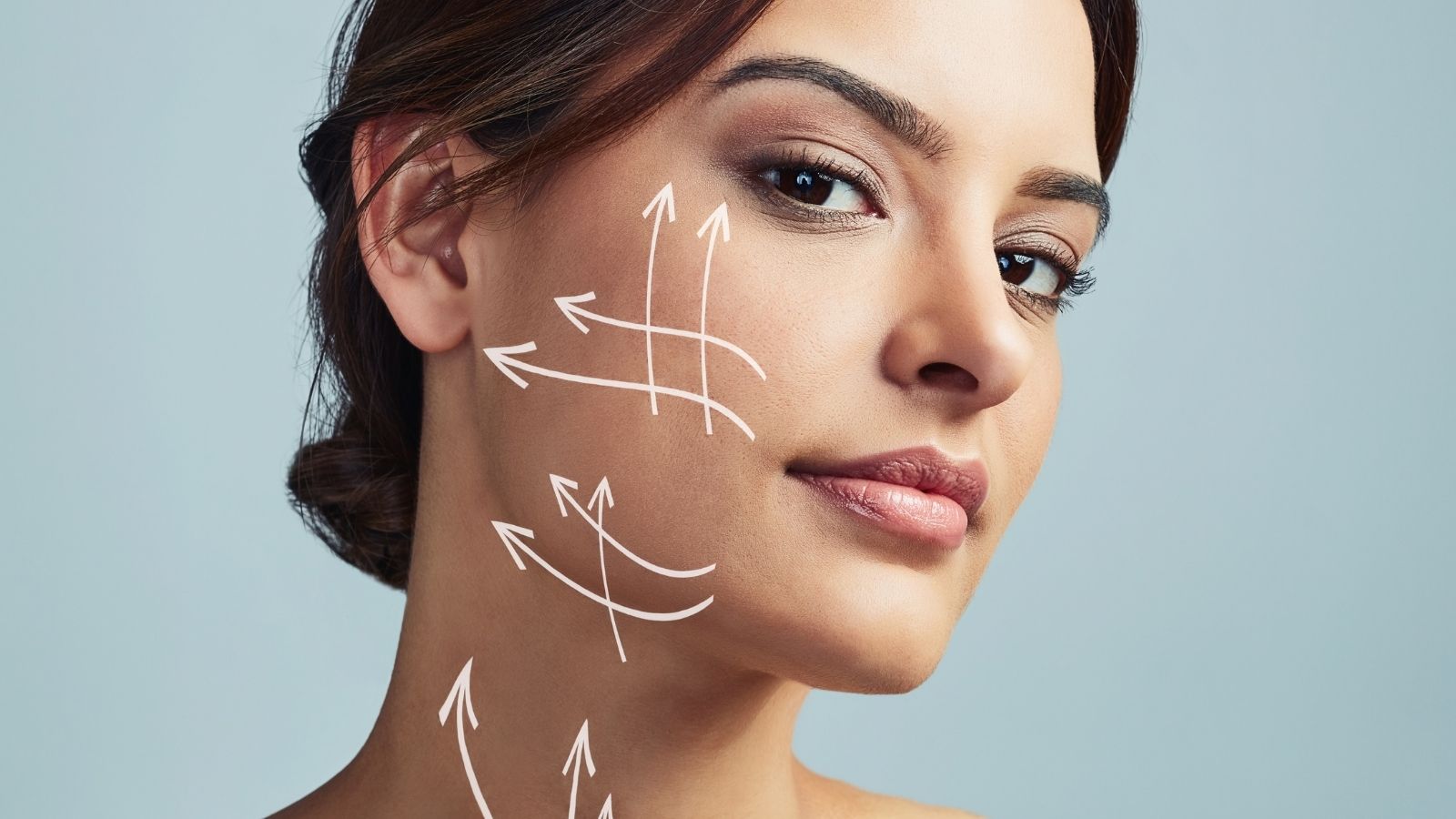
Facial sagging is a natural result of the aging process. As skin elasticity decreases and collagen and elastin fibers weaken, loosening occurs in the facial contours. In addition, the skin moves downward due to the effect of gravity, causing sagging.
Genetic factors are among the main causes of facial sagging. In individuals with a family history of sagging at an early age, similar conditions may appear at younger ages. Skin type, muscle structure, and bone density are also among the factors that affect the process.
Long-term exposure to sunlight accelerates collagen loss and triggers skin aging. UV rays weaken the supporting structure of the skin and cause the facial oval to deteriorate. Therefore, the use of sunscreen is important.
Weight loss and lifestyle factors may also lead to sagging. Sudden weight changes, smoking, inadequate nutrition, and stress negatively affect skin health and increase the risk of sagging. Balanced lifestyle habits may slow down this process.
| What is facial sagging? | Facial sagging is an aesthetic and sometimes functional condition that occurs when the facial contours shift downward as a result of the weakening of the supporting structures in the skin, subcutaneous fat tissue, muscles, and connective tissues. |
| Most common causes | Aging, genetic predisposition, long-term exposure to sunlight, collagen and elastin loss, smoking, rapid weight gain and loss, stress, inadequate nutrition, and environmental factors are among the most common causes. |
| Effect of aging | As age advances, collagen and elastin production decreases, the skin becomes thinner, facial fat tissue shifts, and connective tissues loosen. These changes are among the main causes of facial sagging. |
| Genetic factors | In some people, skin structure, connective tissue strength, and the aging process may be genetically earlier or more pronounced. |
| Sun damage | Ultraviolet (UV) rays may damage collagen and elastin fibers, reduce skin elasticity, and lead to sagging associated with premature aging. |
| Smoking | Smoking reduces blood circulation in the skin and accelerates collagen breakdown, which may cause the skin to loosen earlier. |
| Rapid weight loss | Losing a large amount of weight in a short period may increase the appearance of sagging due to skin looseness and reduced facial volume. |
| Volume loss | With age, the reduction of fat tissue in the cheeks, temples, and eye area may cause the face to appear more hollow and sagging. |
| Effect of gravity | Over many years, the effect of gravity may cause soft tissues to shift downward, creating sagging in the jawline and cheeks. |
| Hormonal changes | Decreased estrogen levels, especially during menopause, may negatively affect skin quality and elasticity. |
| Inadequate nutrition | Insufficient intake of protein, vitamin C, and other important nutrients may negatively affect collagen synthesis. |
| Sleep and lifestyle | Irregular sleep, chronic stress, and inadequate fluid intake may negatively affect skin health and accelerate signs of aging. |
| Disease-related causes | Connective tissue diseases, some neurological diseases, facial paralysis, and conditions affecting muscle function may contribute to facial sagging. |
| Symptoms | Drooping cheeks, loss of jawline definition, increased appearance of a double chin, downward turning of the corners of the mouth, and drooping of the eyelids and eyebrows may occur. |
| Who is it more common in? | It is more common in older individuals, those with intense sun exposure, smokers, people who lose weight rapidly, and those with a genetic predisposition. |
| Can it be prevented? | Although aging cannot be completely prevented, sun protection, avoiding smoking, balanced nutrition, regular sleep, adequate water consumption, and paying attention to skin care may help slow down the process. |
| Treatment options | Depending on the cause and degree of sagging, treatment may include skin care applications, energy-based devices, filler applications, fat injection, thread lifting, and surgical facelift methods. |
| Conditions requiring surgery | In people with advanced skin laxity and significant tissue sagging, surgical facelift procedures may provide more permanent results. |
| When is evaluation necessary? | If sagging develops suddenly, affects one side of the face, or is accompanied by speech impairment, weakness in the arm or leg, or signs of facial paralysis, urgent medical evaluation is required. |
| Prognosis | Age-related facial sagging may generally progress over time. With appropriate skin care, healthy lifestyle habits, and suitable treatment options, the appearance can be improved and progression can be slowed. |
What Is Facial Sagging?
Facial sagging can be defined as the downward loosening of the skin and subcutaneous tissues as they lose their resistance to gravity. The cheeks, jawline, eye area, and neck region are particularly affected by this change more noticeably. A person may notice that their face appears more tired, pale, or older than it actually is. This condition usually progresses slowly and often does not occur as a sudden change.
The Aging Process and Changes in the Skin
The most well-known cause of facial sagging is the natural aging process. As age advances, the production of structural proteins called collagen and elastin in the skin decreases. While collagen helps the skin remain firm and resilient, elastin is responsible for the skin’s flexibility. The reduction of these substances causes the skin to lose its former ability to tighten.
At the same time, changes also occur over time in the fat tissue beneath the skin. While volume loss occurs in some areas, fat tissue may shift and sag downward in other areas. When all these processes come together, looseness and sagging in the face become inevitable.
The Long-Term Effect of Gravity
Gravity is one of the silent but continuous effects of facial sagging. Over the years, the pulling effect of gravity on the skin and soft tissues becomes more noticeable, especially in skin with reduced elasticity. Loss of jawline definition, downward movement of the cheeks, and deepening of the nasolabial folds are common results of this process.
Genetic Predisposition
In some people, facial sagging may be noticed at earlier ages. One of the important reasons for this is genetic predisposition. People with family members who have early skin laxity, thin skin structure, or connective tissue weakness are more likely to show similar characteristics. Genetic factors are among the main elements that determine the rate of skin aging and its resistance to sagging.
The Role of Skin Type and Structure
The thickness and structure of the skin also influence the development of facial sagging. Thin and dry skin may be more sensitive to collagen loss. While volume loss is felt more noticeably in skin with a low fat ratio, skin with limited elasticity has difficulty tightening. Therefore, the degree of facial sagging may be quite different in two people of the same age.
Exposure to Sunlight
Long-term and unprotected exposure to sunlight is one of the important factors that accelerate skin aging. Ultraviolet (UV) rays may damage collagen and elastin fibers, causing the skin to loosen prematurely. Sun damage accumulates over time, and its effects become more noticeable years later. This condition may contribute to facial sagging appearing earlier than expected.
Smoking and Alcohol Consumption
Smoking is one of the leading habits that negatively affect skin health. Smoking reduces oxygen supply to the skin and accelerates collagen breakdown. It also decreases the skin’s ability to renew itself. Alcohol consumption may increase the loss of elasticity over time by causing fluid loss in the body and dryness in the skin. These habits may contribute to facial sagging becoming more noticeable and permanent.
Rapid Weight Changes
Weight gained or lost in a short period is among the important causes of facial sagging. Especially after rapid weight loss, the skin may have difficulty adapting to its previous volume. As the fat tissue in the facial area decreases, the skin may remain loose. This may cause a more hollow and sagging appearance in the person’s face.
Inadequate Nutrition and Water Consumption
Skin health is closely related not only to external factors but also to dietary habits. A diet lacking in protein, vitamins, and minerals may negatively affect the skin’s renewal process. In particular, a deficiency of nutrients such as vitamin C, which plays a role in collagen synthesis, may lead to a loss of skin elasticity. Inadequate water consumption may also contribute to the skin appearing duller and looser.
Use of Facial Muscles and a Life Without Facial Expressions
Not using the facial muscles sufficiently for long periods or constantly repeating certain facial expressions may affect the balance of facial tissues. In some people, weakening of the facial muscles may cause a reduction in subcutaneous support. However, this condition varies from person to person and is not considered the main cause of facial sagging on its own.
When Should Facial Sagging Be Evaluated?
Although facial sagging is often a natural process, it may cause the person to feel uncomfortable or notice a rapid change. Sagging that becomes noticeable in a short period, accompanying skin problems, or changes in general health status definitely require specialist evaluation. Since each individual’s skin structure, lifestyle, and expectations are different, it is important that evaluations are personalized.
Frequently Asked Questions
Facial sagging most commonly occurs due to age-related loss of collagen, elastin, and fat tissue. Over time, the skin loses its elasticity, the effect of gravity increases, and noticeable loosening may occur in the facial contours.
Facial sagging generally begins to show mild signs after the age of 30. Reduced jawline definition, volume loss in the cheeks, and deepening of the nasolabial folds are among the early signs.
Frequent weight gain and loss may strain the skin’s elastic fibers and lead to loosening of the facial tissues. Facial sagging may become more noticeable, especially after losing a large amount of weight in a short period.
Long-term exposure to sunlight may damage collagen and elastin fibers. This condition reduces the skin’s resilience and increases the risk of wrinkles, looseness, and facial sagging developing at an early age.
Smoking may reduce collagen production by negatively affecting blood circulation in the skin. This process may cause the skin to age faster, lose elasticity, and develop facial sagging earlier than expected.
Facial sagging can occur in both women and men. However, due to hormonal changes, skin structure, and differences in the aging process, it may become more noticeable in women during certain periods.
Genetic structure may affect skin thickness, collagen levels, and the rate of aging. Some people may experience facial sagging at an earlier age due to familial predisposition despite healthy lifestyle habits.
Regular use of sunscreen, avoiding smoking, eating a balanced diet, drinking enough water, and developing quality sleep habits may support skin health and slow the progression of facial sagging.
Noticeable facial sagging generally does not improve on its own. As the aging process continues, looseness may increase. Therefore, it is important to seek specialist advice to evaluate suitable treatment options.
The treatment choice is determined according to the degree of sagging, skin structure, and the patient’s expectations. While non-surgical applications are preferred in mild cases, surgical methods may be more effective in advanced sagging.

He completed his medical education at Ankara University Faculty of Medicine in 1996 and his specialty training between 1996–2002 at Hacettepe University Faculty of Medicine, Department of Plastic, Reconstructive and Aesthetic Surgery.
Between 2002–2009, he worked at Süleyman Demirel University Faculty of Medicine, Department of Plastic, Reconstructive and Aesthetic Surgery.
Since 2009, he has been working at Hacettepe University Faculty of Medicine, Department of Plastic, Reconstructive and Aesthetic Surgery. He received the title of Associate Professor in 2011. Dr. Nasır became a Professor in 2019 and continues to work as a faculty member in this position.
Between 2006–2008, he conducted studies on composite tissue transplantation at the Cleveland Clinic in Ohio, USA, together with Dr. Siemionow, who performed the first face transplant in the United States and the second in the world.
In 2012, he successfully performed Turkey’s second face transplant, which was the third among full face transplants in the world and the 22nd overall. Simultaneously with this face transplant, the world’s first quadruple limb transplant was carried out at Hacettepe University by a large team under his leadership.
He won second-place awards in the experimental and clinical specialist competitions at the 31st and 32nd National Plastic, Reconstructive and Aesthetic Surgery Congresses. In 2023, he completed his doctorate in Hand Surgery at Hacettepe University Faculty of Medicine.
He is a member of the American Society of Reconstructive Microsurgery, Plastic Surgery Research Council, Turkish Society of Plastic, Reconstructive and Aesthetic Surgery, Reconstructive Microsurgery Association, and Turkish Society for Surgery of the Hand and Upper Extremity.