

 Türkçe
 Deutsch
Body aesthetics includes surgical and non-surgical procedures designed to improve body contours, reshape proportions, and achieve a more balanced appearance. Techniques such as liposuction, tummy tuck, and arm and thigh lift are planned according to the individual’s anatomy to reach harmonious, natural-looking results.
Liposuction is the removal of localized fat deposits using vacuum-assisted cannulas. It can be applied to areas such as the abdomen, waist, hips, and thighs. This method is not a weight-loss solution, but rather a body contouring procedure, and it often offers long-lasting results when a stable weight is maintained.
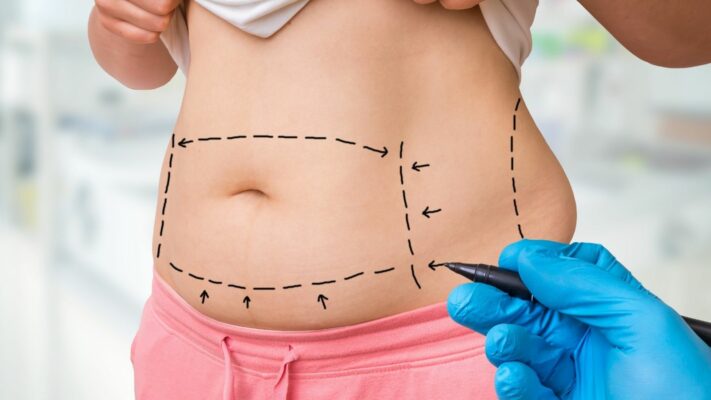
A tummy tuck (abdominoplasty) is preferred to correct looseness and sagging that may occur after pregnancy or significant weight loss. Excess skin and fat are removed, and the abdominal muscles can be tightened to restore a flatter, firmer midsection. Alternative techniques such as mini abdominoplasty may be considered depending on the patient’s needs.
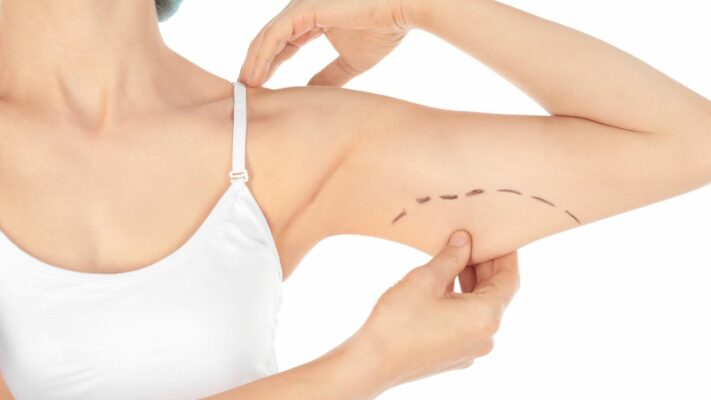
Arm and thigh lift surgeries are performed to correct skin laxity that may develop due to aging or major weight fluctuations. By removing excess skin and reshaping the tissues, these procedures create smoother, tighter, and more aesthetic limb contours, supporting overall body harmony.
| Things You Should Know | Information |
| Description | Body aesthetics refers to surgical and non-surgical aesthetic procedures performed to correct contour irregularities, reduce sagging, and create a more balanced appearance in various areas of the body. |
| Areas of Application | Abdomen (abdominoplasty), waist and back, breasts (breast surgery), buttocks (BBL, implants), thighs (thigh lift), arms (arm lift), liposuction, body contouring lasers, skin tightening methods. |
| Surgical Methods | Abdominoplasty (tummy tuck), liposuction, breast augmentation/reduction/lift, arm/thigh lift, buttock implants, fat transfer (especially to the buttocks and breasts). |
| Non-Surgical Methods | Cryolipolysis, radiofrequency, HIFU, ultrasonic slimming, mesotherapy, lymphatic drainage massages, tightening laser systems. |
| Purpose | Improving body contours, correcting sagging and deformities, restoring postpartum changes, and addressing shape irregularities after weight loss. |
| Procedure Duration | Surgical procedures may take 1–5 hours; non-surgical procedures are usually completed within 30–90 minutes. |
| Type of Anesthesia | Surgical procedures are performed under general anesthesia. Non-surgical procedures usually do not require anesthesia or are done with local anesthesia. |
| Recovery Time | Recovery after surgical procedures may take 2–6 weeks. For non-surgical procedures, downtime is typically limited to a few hours to a few days. |
| Risks and Complications | Infection, bleeding, fluid accumulation (seroma), scarring, skin irregularities, numbness, embolism, asymmetry, need for revision. |
| Longevity | Surgical results are usually long-lasting; however, aging and weight fluctuations can affect outcomes over time. Non-surgical results are temporary and may require repeat sessions. |
| Eligibility Criteria | Individuals with realistic expectations, good overall health, sufficient skin elasticity, and preferably non-smokers. |
| Preoperative Preparation | Blood tests, physical examination, procedure planning, quitting smoking, adjusting regular medications. |
| Postoperative Care | Wearing compression garments or bandages, measures to reduce swelling, avoiding physical strain, incision and wound care, routine follow-ups. |
| Alternative Options | Diet, exercise, trainer-assisted body shaping programs, and medical tightening devices; however, results may not be as effective as surgery. |
| Evaluation Process | Analyzing body proportions and skin quality, defining aesthetic goals, and planning whether surgery or non-surgical options are most appropriate. |









Prof. Dr. Serdar Nasır
Specialist in Plastic, Reconstructive and Aesthetic Surgery, Hand Surgery
Specialist in Plastic, Reconstructive and Aesthetic Surgery, Hand Surgery
He completed his medical education at Ankara University Faculty of Medicine in 1996 and his specialty training between 1996–2002 at Hacettepe University Faculty of Medicine, Department of Plastic, Reconstructive and Aesthetic Surgery.
Between 2002–2009, he worked at Süleyman Demirel University Faculty of Medicine, Department of Plastic, Reconstructive and Aesthetic Surgery.
Since 2009, he has been working at Hacettepe University Faculty of Medicine, Department of Plastic, Reconstructive and Aesthetic Surgery. He received the title of Associate Professor in 2011. In 2019, Dr. Nasır became a Professor and continues to work as a faculty member in this position.
View MoreWhat Is Body Aesthetics?
Body aesthetics is an umbrella term for surgical and non-surgical procedures designed to create more balanced, proportional, and aesthetically pleasing body contours. It includes operations such as liposuction, tummy tuck, arm lift, breast surgery, and fat transfer. These procedures are planned to address post-weight-loss sagging, reduce localized fat, and improve the body silhouette based on a personalized evaluation.
How Does the Decision-Making Process Work for Body Aesthetic Surgeries?
As a plastic surgeon, the first communication I build with my patients is often more important than the technical details of the operation. The foundation of a successful result is mutual trust and honesty. When you walk in, you are not evaluated as a “case,” but as a person with expectations, concerns, and a personal story. Our ethical responsibility is not only to explain what can be done—but also to clearly state what cannot be done or what should not be done.
Not every patient is suitable for every procedure. Sometimes an operation you liked on social media or saw on a friend may not fit your anatomy or health profile. If expectations are beyond surgical limits, or if risks outweigh benefits, we may recommend against surgery to protect your well-being. The ability to say “no” when necessary is one of the most important pillars of medical ethics. We also encourage a “cooling-off period.” This means you are not rushed into surgery; you are given time to consider the pros and cons and return with questions. Our role is to ensure you feel fully informed and confident, focusing on your safety and natural appearance rather than trends or unrealistic standards.
What Preparations Should Be Done Before Body Aesthetics?
Once the decision is made, the preparation phase becomes as critical as the surgery itself. Optimizing your body beforehand increases safety during surgery and makes recovery more comfortable. During this period, we ask you to adjust certain habits and avoid substances that may increase bleeding risk or impair healing.
Smoking is the biggest red line. It constricts blood vessels and reduces oxygen delivery to tissues, which can compromise skin circulation and delay wound healing—sometimes even leading to tissue loss. For this reason, we typically require complete smoking cessation at least 4 weeks before surgery.
Some medications and supplements with blood-thinning effects must also be discontinued. Items commonly stopped before surgery include:
- Aspirin
- Vitamin E supplements
- Ginseng
- Ginkgo biloba
- Coenzyme Q10
- Green tea
- Cherry stem tea
- Flaxseed
- Fish oil capsules
Who Are Ideal Candidates for Body Aesthetics?
Body contouring surgeries are not weight-loss methods—this distinction is essential. If you are in the obesity range (Body Mass Index above 30), we often recommend reaching a healthier weight first through nutrition, exercise, or, when appropriate, bariatric support. At higher weights, anesthesia and surgical risks increase, and aesthetic outcomes may be less satisfying. Continuing to lose weight after surgery can also lead to new sagging and compromise results.
Ideal candidates are those who are within normal weight ranges or close to their target weight, yet still have stubborn localized fat deposits or skin laxity despite diet and exercise. Psychological readiness matters as well. In cases of severe depression, eating disorders, or body dysmorphic concerns, we may recommend addressing these conditions first. Your mental health must be as prepared for change as your physical body.
Chronic conditions such as diabetes or hypertension are not necessarily barriers, but they must be well-controlled. With medication adjustments and clearance from relevant specialists, a safe surgical plan can usually be made.
How Do Technological Methods Improve Body Aesthetics Outcomes?
In the past, body contouring mainly relied on classic techniques. Today, energy-based devices have become powerful tools that enhance surgical precision and improve outcome quality. These technologies help us treat tissues more gently and often shorten recovery time.
One of the most important examples is VASER liposuction. In traditional liposuction, mechanical force was used to break up fat, which could increase trauma to surrounding tissues. VASER uses ultrasonic energy that selectively targets fat cells, gently loosening them and turning them into an easier-to-remove form—while preserving nerves, vessels, and connective tissue.
Advantages of VASER include:
- Less bruising
- Less swelling
- Faster recovery
- More uniform fat removal
- Improved skin adaptation
With this technology, we can also perform “High-Definition” sculpting to highlight muscle outlines—such as enhancing abdominal definition or creating a slimmer waistline. Additionally, because the harvested fat remains more viable, it can be used as a high-quality natural filler for fat transfer when needed.
Contact us to get information about treatments and create an appointment!
Can Body Aesthetics Offer a Solution for Loose Skin Without Large Incisions?
After removing fat, what happens to the remaining skin? If skin elasticity is good, VASER can create some tightening. But when skin laxity is present, surgery used to be the only option. Today, J-Plasma (Renuvion) technology may help tighten skin with minimal scarring or without large incisions in selected cases.
J-Plasma combines helium gas with radiofrequency energy to create “cold plasma.” When delivered under the skin through thin cannulas, it causes immediate contraction of the fibrous structures that support the skin—similar to how an oversized sweater shrinks and becomes tighter after a hot wash. While energy is delivered beneath the skin, the cooling effect of helium helps reduce the risk of surface burns.
This technique is commonly used for:
- Double chin
- Neck
- Inner arms
- Abdomen
- Inner thighs
- Back area
In mild to moderate cases, this approach may help patients avoid long scars and extensive excisional surgery.
Does a Tummy Tuck Only Remove Excess Skin?
A tummy tuck (abdominoplasty) is often misunderstood as simply cutting away sagging skin. In reality, it is a three-dimensional restoration of the abdominal wall. During pregnancy, the rectus muscles may separate and move outward. After childbirth, they do not always return to their original position. This is called diastasis recti. No matter how much weight you lose or how many abdominal exercises you do, this separation will not fully correct without surgical repair, and the abdomen can remain protruded.
In a full tummy tuck, we remove excess skin and fat, and also bring the separated muscles back together in the midline using sutures. This creates a natural “internal corset,” flattening the abdomen and enhancing waist definition. So, the operation is not just skin tightening—it is an anatomical repair.
The scar is usually planned low enough to be hidden within underwear, often similar to (but longer than) a C-section scar. Over time, it fades and becomes less noticeable. If the skin excess is limited to below the navel and muscle laxity is minimal, a mini tummy tuck with a smaller incision may be an option.
What Does Mommy Makeover Include Within Body Aesthetics?
Motherhood brings some of the most significant changes to a woman’s body. Hormonal shifts, weight gain, and breastfeeding can lead to breast volume loss or sagging, abdominal laxity, and stubborn waist fat. A “Mommy Makeover” is a combined surgical approach designed to address these concerns in a single treatment plan.
Depending on individual needs, procedures may include:
- Tummy tuck
- Breast augmentation
- Breast lift
- Breast reduction
- Liposuction
- Genital aesthetic procedures
The goal is to restore the body to a pre-pregnancy form—or sometimes even better. Timing is important. After childbirth, at least 6 months (ideally 1 year) is generally recommended to allow the body to stabilize. If breastfeeding is ongoing, it is medically recommended to wait at least 3–6 months after breastfeeding ends to reduce infection risk and allow breast tissue to reach a stable baseline.
What Is the Roadmap for Body Aesthetics After Major Weight Loss?
After bariatric surgery (such as gastric sleeve) or major weight loss achieved through lifestyle changes, skin elasticity may be significantly reduced, causing sagging in multiple body areas. This “deflated balloon” appearance can restrict movement, cause rashes, and make clothing choices difficult. Post-bariatric body contouring is a comprehensive reshaping process.
Because these procedures can be extensive, surgeries are usually staged for safety rather than performed all at once. Patients should reach their goal weight and maintain it for at least 3–6 months before surgery. If weight loss is still ongoing, results can deteriorate.
A common staged sequence may include:
- Belt Lipectomy (360-Degree Lift): Excess skin is removed like a belt around the torso to lift the lower body.
- Breast and Arm Lift: The second stage often targets sagging breasts and loose upper arm skin.
- Thigh Lift: Excess inner thigh skin is removed to improve comfort and contour.
- Face and Neck: In later stages, facial and neck sagging can also be addressed.
This process requires patience, but it can dramatically improve comfort, confidence, and quality of life.
Contact Us!
Contact us to get information about treatments and create an appointment!
Is Buttock Shaping (BBL) Safe in Terms of Body Aesthetics?
Brazilian Butt Lift (BBL) is one of the most popular—and most debated—procedures in recent years. It involves transferring fat harvested from other areas into the buttocks to improve shape. The risks you may have heard about are primarily technique-related.
Scientific advisory bodies and plastic surgery organizations emphasize a critical safety rule: fat should never be injected into the muscle. Large veins exist within the gluteal muscles, and intramuscular fat injection can enter the bloodstream and cause a potentially fatal fat embolism.
In safe BBL practice, we strictly follow rules such as:
- Subcutaneous-only injection
- Ultrasound guidance
- Use of thicker cannulas
- Low-pressure technique
Ultrasound-guided BBL has significantly improved safety by allowing real-time visualization of the cannula tip, ensuring fat is placed only in the safe layer between skin and muscle. This helps minimize risks while achieving a fuller, lifted appearance.
What to Expect During the Recovery Period After Body Aesthetics?
Once surgery is completed, only half of the journey is done—the other half is your recovery. Patience and careful adherence to your surgeon’s instructions strongly influence the final outcome.
Compression garments are essential. They are not only for appearance; they reduce swelling and help the skin adhere to its new contour. Most patients are advised to wear them for about 4–6 weeks.
Drains may also be used to remove blood or fluid that can accumulate. These are typically removed within a few days once output decreases. Drain removal is usually not painful—patients often describe it as a brief, strange sensation rather than true pain.
Key recovery recommendations include:
- Staying well-hydrated
- Short daily walks
- High-protein nutrition
- Avoiding smoking
- Not lifting heavy objects
After a tummy tuck, patients may need to walk slightly bent forward during the first week to protect the incision line from tension. After BBL, it is crucial to avoid direct pressure on the buttocks for 3–4 weeks to support fat survival—special pillows and sleeping positions may be recommended.
What Are the Risks of Body Aesthetic Surgeries?
As with any surgery, body aesthetic procedures carry potential risks. It would not be realistic—or honest—to promise “zero risk.” However, with appropriate patient selection, sterile operating conditions, and an experienced surgical team, risks can be reduced to a minimum.
Possible complications include:
- Seroma (fluid collection)
- Hematoma (blood collection)
- Infection
- Wound healing problems
- Sensory changes or numbness
- Asymmetry
- Anesthesia-related risks
Most complications are manageable when identified early. For example, seroma can often be drained easily in the clinic. Wound healing issues are more common in smokers or those with uncontrolled diabetes—another reason why following pre- and post-operative instructions is one of the most effective ways to protect your result.
Frequently Asked Questions
Which areas can be shaped with body aesthetics?
Body aesthetics can be applied to the abdomen, waist, buttocks, legs, arms, and back to correct sagging, fat accumulation, and contour irregularities. The goal is to create more balanced and aesthetic body lines.
Who is a suitable candidate for body aesthetics procedures?
Ideal candidates are generally healthy individuals with stable weight, appropriate BMI, and realistic expectations. Not smoking is a major advantage for recovery and scar quality.
Will there be scars after body aesthetics?
Most procedures involve incisions that are placed within natural body folds. Scars usually fade over time but do not disappear completely, and visibility depends on technique and skin type.
Is body aesthetics effective for postpartum sagging?
Yes. Postpartum abdominal laxity, skin looseness, and contour changes can often be effectively improved with procedures such as tummy tuck and liposuction.
Can multiple body aesthetics surgeries be combined in one session?
Yes. Procedures such as tummy tuck, liposuction, and breast surgery can be combined in one operation. This holistic approach is often called a “mommy makeover.”
Is liposuction a weight-loss method?
No. Liposuction is not designed for weight loss. Its goal is to remove diet- and exercise-resistant fat deposits to improve body contour.
How long does it take to recover after body aesthetics surgery?
Recovery varies by procedure, but many patients can return to daily routines within 1–2 weeks. Final contouring and full results may take a few months.
Why is wearing a compression garment important after surgery?
Compression garments help reduce swelling, support skin retraction, and guide tissues into their new shape. They are commonly recommended for 3–6 weeks.
Are results permanent after body aesthetics?
Results are long-lasting, but maintaining a healthy lifestyle is important. Significant weight gain or loss can affect the outcome, while weight stability and regular exercise support longevity.
What psychological benefits can body aesthetics provide?
Improved body perception can increase self-confidence and help people feel more comfortable socially. Many individuals—especially after childbirth or major weight loss—report significant emotional relief.