Türkçe
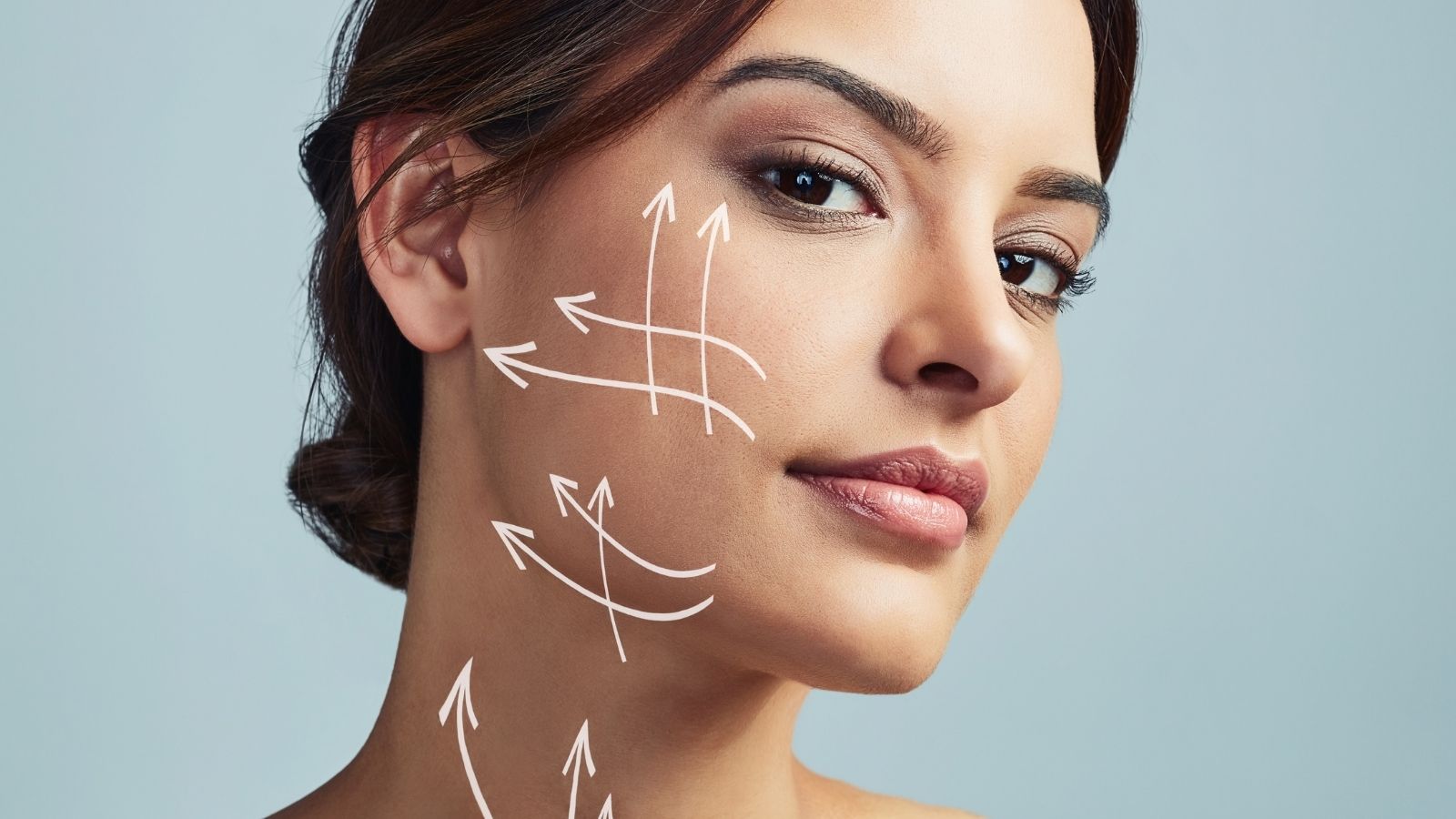
Jawline (chin) filler is a medical aesthetic procedure performed to define the jawline, balance facial contours, and give the lower face a sharper appearance. It is generally performed using hyaluronic acid-based dermal fillers and creates a stronger facial profile by supporting the symmetry of the jawline.
The jawline filler procedure is performed by a specialist physician using injection techniques planned after evaluating facial anatomy. Before the procedure, the area is cleaned with antiseptic solutions, and in most cases, a local anesthetic cream is applied. The filler is then injected in a controlled manner along the jawline.
The jawline contouring procedure helps achieve a more balanced profile in individuals with volume loss in the lower part of the face. It provides a clearer and sharper jawline appearance by improving aesthetic balance, particularly in individuals with a weak chin structure, a recessed chin, or a lack of definition in the facial contour.
The recovery process after jawline filler is generally quick and comfortable. Mild redness, tenderness, or minimal swelling may occur after the procedure, and these effects usually decrease spontaneously within a short period. The results can be observed immediately after the procedure and remain effective for a certain period depending on the type of filler used.
| Definition | Jawline filler is a non-surgical aesthetic procedure intended to give the jawline a more defined, symmetrical, and aesthetically pleasing appearance by using hyaluronic acid or other suitable dermal fillers. |
| Purpose | To define the jawline, balance facial contours, restore volume loss along the jawline, improve the facial profile, and achieve a sharper lower-face appearance. |
| Who Is It Suitable For? | Individuals with an undefined jawline, those experiencing age-related loss of jawline contour, those who want to improve facial profile balance, and adults whose general health status is suitable. |
| Who Is It Not Suitable For? | Pregnant or breastfeeding individuals, those with an active infection in the treatment area, those with a known severe allergy to filler materials, those with uncontrolled systemic disease, and individuals who are not considered suitable by the physician. |
| Materials Used | Cross-linked hyaluronic acid fillers are used most frequently. In some cases, different biocompatible filler materials may also be preferred. |
| Procedure Duration | It generally takes 20–45 minutes. |
| Anesthesia | A topical anesthetic cream is usually applied. Some filler products contain a local anesthetic. |
| How Is the Procedure Performed? | Facial analysis is performed before the procedure. The filler is injected into the designated points with the help of a fine needle or cannula. Controlled shaping is performed in areas considered necessary. |
| Hospitalization | It is not required. The procedure is performed on an outpatient basis. |
| Recovery Time | Most people can return to their daily lives on the same day. Mild swelling and tenderness usually decrease within a few days. |
| When Results Become Visible | The initial results can be seen immediately after the procedure. The final appearance generally becomes clear within 1–2 weeks as the swelling subsides. |
| Duration of Results | Depending on the filler used, the application technique, and the individual’s metabolism, it generally varies between 12 and 18 months. |
| Advantages | It does not require surgery, is performed quickly, has a short recovery period, defines facial contours, can be adjusted when necessary, and can provide natural-looking results. |
| Possible Side Effects | Temporary redness, swelling, bruising, tenderness, pain at the injection site, and mild edema may occur. |
| Possible Complications | Complications such as infection, uneven distribution of the filler, nodule formation, asymmetry, serious circulatory problems caused by vascular occlusion, and, rarely, tissue damage may develop. |
| Points to Consider After the Procedure | Pressure should not be applied to the treatment area during the first 24 hours, and strenuous exercise, excessively hot environments, and alcohol should be avoided. The area should be kept clean, and the physician’s recommendations should be followed. |
| Pain Level | Mild discomfort is generally felt during the procedure. Anesthetic cream and fillers containing a local anesthetic may increase comfort. |
| Repeat Treatment | It may be repeated at certain intervals as the effect diminishes. |
| Expected Result | The aim is to achieve a more defined, symmetrical, and aesthetically pleasing jawline, along with a more balanced and sharper appearance of the facial contours. |
| Alternative Methods | Alternative methods such as chin implants, fat injection, thread lifting procedures, and orthognathic surgery in suitable patients may be considered. |
| Situations Requiring Medical Attention | If severe pain, rapidly increasing swelling, paleness or bruising of the skin, visual changes, fever, discharge, or signs of infection develop, a healthcare facility should be consulted without delay. |
What Is Chin Filler?
Chin filler is essentially the process of injecting biocompatible filler materials that can be absorbed by the body over time, such as hyaluronic acid, along the jawline or into specific areas of the chin. This procedure is performed to make the jawline sharper and more defined, extend or widen the chin forward, and thereby improve the overall proportions of the face. Chin filler helps achieve a younger and more aesthetic appearance by strengthening the V-shaped proportion of the face. This procedure not only addresses aesthetic concerns but may also correct structural issues such as laxity or asymmetry along the jawline.
Basic Components of Chin Fillers
The substance most commonly used in chin fillers is hyaluronic acid, a polysaccharide naturally found in the body. Hyaluronic acid is known for its ability to bind water and provide moisture to the skin. Its gel form is ideal for adding volume and creating contours. Hyaluronic acid fillers with different molecular sizes and degrees of cross-linking are available on the market. For chin filler, thicker gel formulations that provide a denser and longer-lasting effect are generally preferred. These fillers offer support firm enough to imitate bone structure and provide long-lasting results. Some fillers may also contain local anesthetics such as lidocaine, which increases comfort during the procedure.
Purpose and Benefits of Chin Filler
The primary purpose of chin filler is to improve the aesthetics of the lower third of the face. This can be achieved in various ways:
- Jawline Definition: It sharpens a jawline that has softened over time or because of genetic predisposition. This contributes to a more V-shaped facial appearance.
- Forward Chin Projection: It improves the facial profile by bringing forward a chin that is positioned backward or is not sufficiently prominent. This creates a noticeable difference, particularly in individuals with a recessed chin.
- Chin Widening: It improves facial symmetry and balance by making the chin appear fuller toward the sides. This is particularly preferred when the chin tip is narrow.
- Correction of Loose Skin and Sagging: It supports mild sagging and loose skin along the jawline with filler material, providing a firmer appearance.
- Improvement of Facial Proportions: It restores the overall aesthetic balance of the face by creating a jawline that is harmonious with the nose, lips, and cheekbones.
- Reduction of the Appearance of a Double Chin: By defining the jawline, it may make fat accumulation in the double-chin area less noticeable.
Mechanism of Action of Chin Filler
Chin filler works through the physical volume-enhancing effect of the injected material. When the hyaluronic acid gel is placed in the target area, it immediately adds volume. This volume reshapes the contour of the jawline and gives the chin the desired projection or width. The filler creates a supporting structure beneath the skin, correcting laxity and providing a firmer appearance. Over time, hyaluronic acid is slowly broken down and absorbed by the body. This process determines the longevity of the filler. The effect of chin fillers generally lasts between 12 and 18 months, although this period may vary depending on the individual’s metabolism, lifestyle, and the type of filler used.
How Is Chin Filler Applied?
The chin filler procedure is generally performed on an outpatient basis, meaning that it does not require hospitalization, is brief, and is relatively painless. The procedure is performed by an experienced physician in a sterile environment. The process consists of several steps:
- Consultation and Evaluation
Before the procedure, the first and most important step is a detailed consultation between the patient and the physician. During this consultation, the physician listens to the patient’s expectations, examines the facial structure in detail, and evaluates the current condition of the jawline. Information is obtained about the patient’s medical history, allergies, medications used, and previous aesthetic procedures. The physician determines the filler material, application technique, and target results that are most suitable for the patient’s facial anatomy. At this stage, the patient is provided with comprehensive information about the potential risks, benefits, and recovery process of the procedure. Realistic expectations are established regarding the results to be achieved after the procedure.
- Preparation and Anesthesia
The treatment area is cleaned with an antiseptic solution to reduce the risk of infection. Local anesthesia is applied to minimize pain and discomfort. This is generally achieved with topical anesthetic creams applied to the treatment area or local anesthetics injected directly into the treatment site. Some hyaluronic acid fillers already contain an anesthetic substance such as lidocaine in their formulation, which may reduce the need for additional anesthesia. This preparation stage helps make the procedure more comfortable for the patient.
- Injection of the Filler Material
After preparation is complete, the physician carefully injects the filler into the designated points using special fine-tipped needles or cannulas, which are small, flexible tubes. The injections are performed precisely to shape the contour of the jawline and extend or widen the chin. The physician places the filler layer by layer to achieve the desired volume and shape. During the procedure, the physician continuously evaluates the patient’s face and checks symmetry. If necessary, the filler is gently massaged into the desired position to provide a smooth appearance. This stage generally takes between 15 and 45 minutes.
- Final Check and Massage
After the injections are completed, the physician checks the treatment area. If necessary, a gentle massage may be performed to ensure that the filler is distributed evenly and to prevent any lump formation. The patient is allowed to view the result in a mirror and complete the final evaluation with the physician. At this stage, the patient is given detailed information about the points that require attention after the procedure.
Post-Procedure Period and Recovery
Chin filler is a procedure that generally requires minimal recovery time. Patients can usually return to their daily activities immediately after the procedure. However, some common side effects may occur:
- Swelling: Mild to moderate swelling in the injection area is common. This generally decreases within 24–72 hours.
- Bruising: Small bruises may develop at the needle entry points. These generally disappear within a few days.
- Pain or Tenderness: Mild pain or tenderness may be felt in the treatment area. This can generally be controlled with simple painkillers such as paracetamol.
- Lumps or Irregularities: Rarely, mild lumps or irregularities may develop because the filler has not been distributed evenly. These conditions can generally be corrected with massage or minor interventions performed by the physician.
It is important to follow certain recommendations to accelerate the recovery process and achieve the best results:
- Avoid massaging the treatment area during the first 24–48 hours.
- Avoid excessively hot environments, such as saunas and steam rooms, and direct sunlight.
- Avoid strenuous physical activities and exercise during the first few days.
- Avoid applying makeup to the treatment area or apply it very gently.
- Drink plenty of water, as this supports the hydration of the filler material.
The physician may schedule a follow-up appointment after the procedure. It is important to contact the physician immediately if any concern or unexpected condition occurs.
Chin Filler and Lifestyle
The longevity and appearance of chin filler results are closely related not only to the technique used but also to the individual’s lifestyle. Healthy habits can extend the lifespan of the filler and preserve its aesthetic appearance.
Nutrition and Hydration
- Water Consumption: Hyaluronic acid has the ability to bind water. Adequate water consumption helps the filler appear fuller and more vibrant. Drinking at least 2–3 liters of water per day is recommended.
- Healthy Nutrition: A balanced diet containing antioxidant-rich fruits and vegetables, healthy fats, and proteins supports overall skin health. This may contribute to better integration of the filler over time. Avoiding excessively sugary and processed foods protects skin health by reducing inflammation.
Skin Care
- Sun Protection: Harmful UV rays from the sun accelerate the skin’s aging process and may shorten the lifespan of fillers. It is important to use a high-factor sunscreen, SPF 30 or higher, every day, especially on the face.
- Skin Cleansing: Keeping the skin clean reduces the risk of infection. Clean your skin regularly with gentle cleansers.
- Moisturizing: Maintaining the skin’s moisture balance helps the filler look better. Use moisturizers suitable for your skin type.
Weight Control
- Sudden Weight Changes: Sudden weight gain or loss may affect the appearance of the filler along the jawline. Weight gain may make the jawline appear softer, while sudden weight loss may cause sagging. Maintaining your ideal weight helps preserve the aesthetic appearance of the filler for a longer period.
Smoking and Alcohol
- Smoking: Smoking impairs blood circulation in the skin, reduces collagen production, and causes premature skin aging. This may shorten the lifespan of fillers and reduce overall skin quality. Quitting smoking provides significant benefits for both general health and aesthetic results.
- Alcohol: Excessive alcohol consumption causes dehydration in the body and negatively affects skin health. Limiting alcohol intake may help the filler look better.
Sleeping Position
- Sleeping on the Face: Sleeping face down or on your side may apply pressure to the jawline, which is a particularly sensitive area. Over time, this may affect the positioning or appearance of the filler. Whenever possible, trying to sleep on your back reduces pressure on the chin area.
Frequently Asked Questions
Jawline filler is an aesthetic procedure performed to make the jawline more defined and balanced. Facial contours are enhanced using filler materials, and a sharper profile appearance can be achieved.
Facial analysis is performed before the procedure, and the areas where the filler will be applied are determined. The filler is injected into the jawline using fine-tipped needles or cannulas. The procedure is generally completed within 15 to 30 minutes.
Individuals with an undefined jawline, those who want to enhance their facial contours, or those with mild asymmetries may be suitable candidates for jawline filler. Suitability should be determined after a detailed examination.
The results of jawline filler can be noticed immediately after the procedure. Although mild swelling may occur during the first few days, the final appearance of the jawline generally becomes visible within a short period as the filler settles.
The longevity of jawline filler depends on the filler material used, the individual’s metabolism, and the amount applied. The results generally continue for several months and may be renewed at certain intervals.
Defining the jawline may help make the double-chin area less noticeable in some individuals. However, additional treatments may be needed in individuals with significant fat accumulation or skin sagging.
A sharper and stronger jawline is targeted in men, while harmonious and natural transitions with the facial features are prioritized in women. The treatment plan is prepared individually according to the person’s anatomical structure.
It is recommended not to apply pressure to the area during the first few days, to avoid strenuous exercise, and to follow the doctor’s recommendations. These precautions may help the filler settle in the desired manner.
Thanks to products containing anesthetic agents used during the procedure, discomfort is generally minimal. Mild swelling or tenderness may occur afterward, and most people can return to their daily lives immediately.
Jawline filler is a non-surgical method that provides temporary results. Surgical chin aesthetics creates permanent changes by intervening in the bone structure. The choice is determined according to the individual’s needs and expectations.

He completed his medical education at Ankara University Faculty of Medicine in 1996 and his specialty training between 1996–2002 at Hacettepe University Faculty of Medicine, Department of Plastic, Reconstructive and Aesthetic Surgery.
Between 2002–2009, he worked at Süleyman Demirel University Faculty of Medicine, Department of Plastic, Reconstructive and Aesthetic Surgery.
Since 2009, he has been working at Hacettepe University Faculty of Medicine, Department of Plastic, Reconstructive and Aesthetic Surgery. He received the title of Associate Professor in 2011. Dr. Nasır became a Professor in 2019 and continues to work as a faculty member in this position.
Between 2006–2008, he conducted studies on composite tissue transplantation at the Cleveland Clinic in Ohio, USA, together with Dr. Siemionow, who performed the first face transplant in the United States and the second in the world.
In 2012, he successfully performed Turkey’s second face transplant, which was the third among full face transplants in the world and the 22nd overall. Simultaneously with this face transplant, the world’s first quadruple limb transplant was carried out at Hacettepe University by a large team under his leadership.
He won second-place awards in the experimental and clinical specialist competitions at the 31st and 32nd National Plastic, Reconstructive and Aesthetic Surgery Congresses. In 2023, he completed his doctorate in Hand Surgery at Hacettepe University Faculty of Medicine.
He is a member of the American Society of Reconstructive Microsurgery, Plastic Surgery Research Council, Turkish Society of Plastic, Reconstructive and Aesthetic Surgery, Reconstructive Microsurgery Association, and Turkish Society for Surgery of the Hand and Upper Extremity.