Türkçe
Full facelift surgery is a comprehensive cosmetic procedure that surgically corrects age-related skin sagging, deep wrinkles, and tissue laxity affecting the face and neck. Excess skin is removed, the underlying tissues are repositioned, and the facial contours are restored to a younger, firmer, and more balanced appearance.
How is full facelift surgery performed? The procedure is generally carried out through incisions placed along the hairline and around the front of the ears. The surgeon elevates the deeper facial tissues, reshapes the SMAS layer, and removes excess skin. This technique preserves the natural facial anatomy while providing long-lasting and balanced facial rejuvenation.
The criteria for suitable candidates for full facelift surgery include individuals with significant skin laxity, jawline sagging, and excess skin in the neck region. It is generally preferred for people aged 40 and older. Individuals in good overall health with realistic expectations are considered appropriate candidates for this surgical procedure.
The recovery period following full facelift surgery is largely completed within a few weeks, depending on the extent of the operation. Mild swelling and bruising may occur during the first few days. Complete tissue settling may take several months, and the results can support a younger and firmer facial appearance for many years.
| Purpose | To reduce sagging of the face and neck, enhance facial contours, and achieve a more youthful appearance. |
| Target Areas | Cheeks, jawline, corners of the mouth, neck, temples, and when necessary, the forehead region. |
| Suitable Candidates | Adults with noticeable facial and neck sagging, good overall health suitable for surgery, and realistic expectations. |
| Anesthesia | Usually performed under general anesthesia. In some cases, local anesthesia with sedation may be preferred. |
| Surgical Approach | The skin and deeper facial tissues are reshaped through incisions made around the ears and along the hairline. |
| Recovery Process | Swelling, bruising, and a feeling of tightness may occur during the first few weeks. Returning to daily life is generally possible within several weeks. |
| Expected Results | A firmer, more refreshed, and younger facial appearance with better-defined jawline and neck contours. |
| Potential Risks | Bleeding, infection, hematoma, wound healing problems, sensory changes, asymmetry, scarring, and, rarely, nerve injury. |
| Important Considerations | Avoid smoking, postpone strenuous activities, and carefully follow medication and wound care instructions. |
| Situations Requiring Medical Evaluation | Severe pain, excessive swelling, heavy bleeding, high fever, foul-smelling discharge, or sudden loss of facial movement. |
What Is Full Facelift Surgery?
Full facelift surgery is a surgical procedure that targets the signs of aging affecting the middle and lower portions of the face. The operation aims to tighten loose facial skin, correct sagging of the cheeks and jawline, and improve jowls and platysmal bands in the neck. The objective is not simply to tighten the skin, but also to reposition the underlying muscles and fat tissues to achieve more natural and longer-lasting facial rejuvenation.
The procedure is generally performed through concealed incisions extending from the temples to the front and behind the ears. The surgeon lifts the tissues beneath the skin upward and backward, removes excess skin, and closes the incisions. The result is a sharper jawline, fuller cheeks, and a more youthful neck appearance. Depending on the extent of the procedure, the operation may be performed under local anesthesia with sedation or under general anesthesia. Surgical time generally ranges between 2 and 5 hours.
Full Facelift Surgery Process
Consultation and Planning
The first and most critical stage of the surgical process is a detailed consultation with an experienced plastic surgeon. During this appointment, the surgeon evaluates the patient’s expectations, carefully examines the face, and assesses overall health.
- Facial Analysis: The surgeon evaluates skin elasticity, the degree of sagging, muscle structure, and fat distribution to determine which facial areas require correction.
- Expectation Assessment: The patient should clearly explain the desired outcome. The surgeon discusses whether these expectations are realistic and what results can reasonably be achieved.
- Surgical Options: Full facelift surgery may be performed alone or combined with procedures such as brow lift, eyelid surgery, neck lift, or liposuction. The surgeon develops the most appropriate treatment plan.
- Risks and Complications: As with any surgical procedure, facelift surgery carries potential risks including infection, bleeding, sensory changes, scarring, and anesthesia-related complications. These are explained in detail.
- Anesthesia Method: The most appropriate anesthesia technique (local anesthesia, sedation, or general anesthesia) is selected according to the patient’s health condition and the planned procedure.
- Recovery Process: The patient receives detailed information regarding recovery expectations, postoperative care, precautions, and the anticipated timeline for returning to normal life.
- Photography: Preoperative photographs from multiple angles are usually taken to document the patient’s appearance before surgery and compare postoperative results.
Day of Surgery
On the day of surgery, the patient arrives at the hospital or surgical facility at the scheduled time.
- Preparation: Vital signs are checked, the surgical field is prepared with antiseptic solutions, and the anesthesiologist reviews the anesthesia protocol.
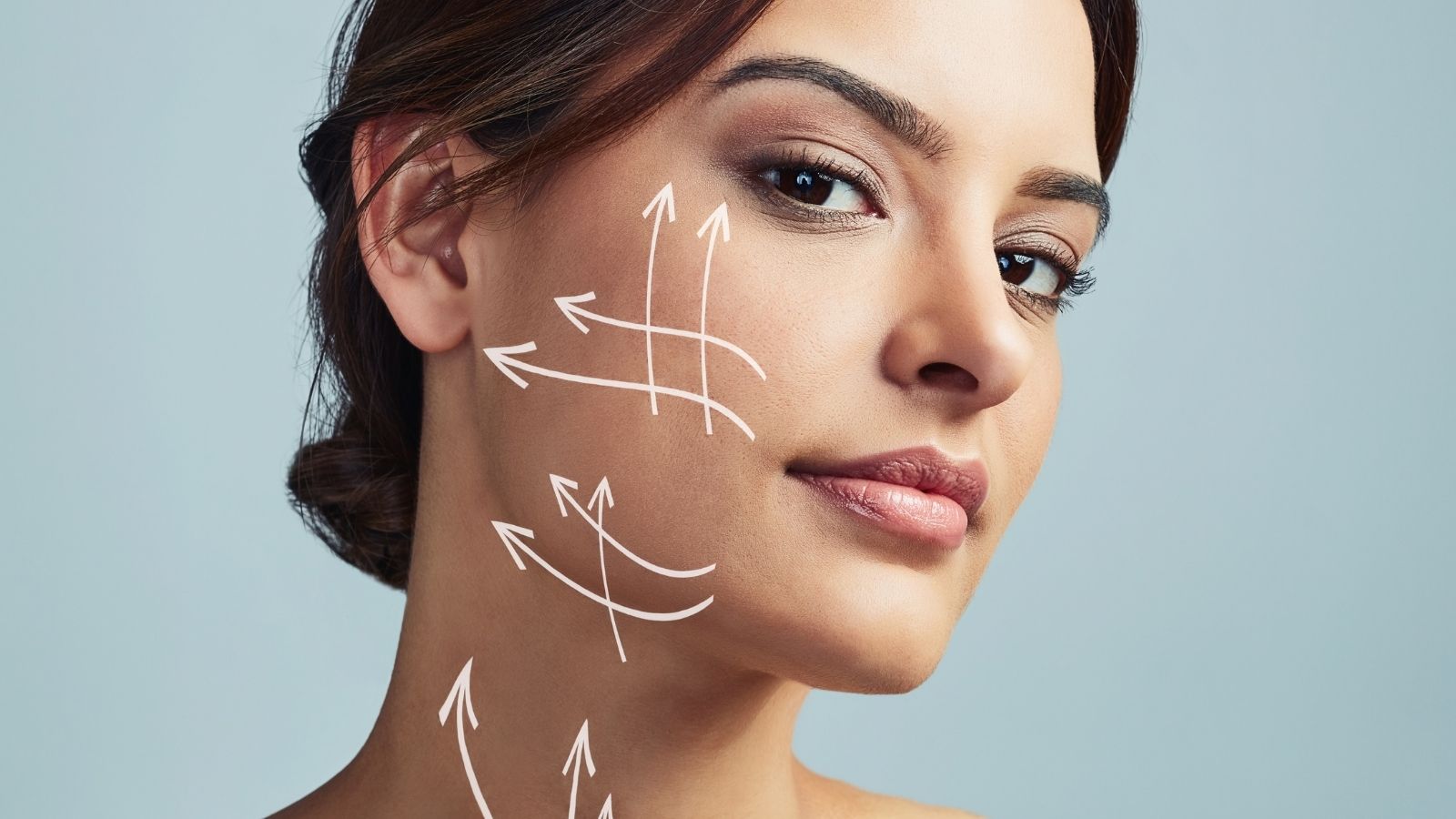
- Marking: Before surgery, the surgeon marks the incision sites and planned lifting vectors with a surgical marker to maximize procedural precision.
- Administration of Anesthesia: The selected anesthesia technique is administered to ensure the patient remains comfortable and pain-free throughout the procedure.
- Operation: Using the planned incision lines, the surgeon elevates the skin, repositions and tightens the underlying muscles and fat tissues, removes excess skin, and closes the incisions with fine cosmetic sutures. Either absorbable or removable sutures may be used.
- Bandaging: At the conclusion of the procedure, the face and neck are wrapped with a specialized compression dressing to minimize swelling and support healing.
Recovery Process
Although recovery varies among individuals, it generally follows similar stages.
- First Days (0–3 Days): Swelling, bruising, and discomfort are most noticeable during this period. Pain is managed with prescribed medications. Initial bandages are usually removed after 1–2 days and replaced with lighter compression garments. Keeping the head elevated and consuming fluids and soft foods are recommended.
- First Week (3–7 Days): Bruising and swelling begin to decrease. Patients feel more comfortable and may resume simple daily activities. Sutures are often removed during this week, while strenuous social activities should still be avoided.
- Second and Third Weeks (1–3 Weeks): Most swelling and bruising continue to resolve. Facial tightness may persist, while temporary dryness and itching of the skin can occur. Makeup may be used to conceal residual bruising, although strenuous exercise should still be avoided.
- One Month: Most swelling and bruising have resolved, and facial contours become more defined. Final results require additional patience, as complete resolution of deep tissue swelling may take several months.
- Three to Six Months: Residual swelling resolves completely, scars gradually become less visible, skin quality continues to improve, and the rejuvenated appearance becomes more evident.
- Long-Term Results: The results of facelift surgery generally last for many years. However, natural aging continues, and gradual changes in skin elasticity and the effects of gravity will eventually reappear.
Important Considerations and Risks
Like all surgical procedures, full facelift surgery carries certain risks and requires careful postoperative management.
Important Considerations
- Choosing an Experienced Surgeon: Surgical success depends largely on the surgeon’s experience and expertise. Selecting a board-certified plastic surgeon with extensive facelift experience is essential.
- Realistic Expectations: Maintaining realistic expectations helps ensure patient satisfaction. A facelift can restore a more youthful appearance but cannot stop the aging process.
- Medical Suitability: A complete medical evaluation should be performed before surgery, and patients should fully disclose their medical history, medications, and allergies.
- Smoking and Alcohol: Avoiding smoking and alcohol before and after surgery promotes healthier wound healing and reduces complications.
- Following Recovery Instructions: Adhering closely to the surgeon’s recommendations, including rest, head elevation, and proper medication use, supports optimal healing.
- Sun Protection: Protecting the skin from sunlight during and after recovery helps minimize scar visibility and supports healthier skin.
- Makeup and Cosmetic Products: Cosmetic products should not be used until the wounds have healed completely and the surgeon approves their use.
Potential Risks and Complications
- Infection: As with any surgery, infection is possible. Proper wound care and prescribed antibiotics help reduce this risk.
- Bleeding and Hematoma: Bleeding or blood collection beneath the skin may occur during or after surgery and occasionally requires additional treatment.
- Nerve Injury: Temporary or, rarely, permanent injury to facial nerves may cause weakness or paralysis of facial muscles.
- Scarring: Every incision results in a scar. Because facelift incisions are typically concealed within the hairline or around the ears, scars are usually well hidden, although hypertrophic or keloid scars may occasionally develop.
- Anesthesia-Related Complications: Allergic reactions, breathing problems, and other anesthesia-related complications are uncommon but possible.
- Skin Loss: Rarely, especially in smokers or patients with circulatory problems, skin loss may occur along the incision lines.
- Asymmetry: Mild facial asymmetry may occur despite careful surgical planning.
- Loss of Sensation: Temporary or permanent numbness may develop around the surgical area, although sensation often improves over time.
- Hair Loss: Temporary hair loss near the incision sites may occur and usually resolves within several months.
Types of Full Facelift Surgery
Full facelift surgery generally addresses the middle and lower face, although different techniques and additional procedures may be selected according to the patient’s individual needs.
- Traditional Full Facelift (Traditional Rhytidectomy)
This is the most comprehensive facelift technique. Longer incisions extend from the temples around the front and behind the ears. The SMAS (Superficial Musculoaponeurotic System) layer is elevated and tightened, making this technique highly effective for correcting sagging of the midface, jawline, and neck.
- Mini Facelift
Suitable for patients with mild sagging who desire a less invasive procedure. Incisions are shorter and usually limited to the front of the ears. The procedure may involve only skin tightening or minimal manipulation of the underlying tissues. Recovery is generally faster than with a traditional facelift.
- Endoscopic Facelift
This technique uses small incisions, an endoscope, and specialized instruments to elevate and secure the deeper facial tissues. It primarily targets sagging in the midface and leaves minimal visible scarring because the incisions are hidden within the hairline.
- Neck Lift
Frequently combined with a full facelift, this procedure corrects loose neck skin, excess fat beneath the chin, and prominent platysmal bands.
- Combined Procedures
A full facelift is commonly combined with additional procedures for comprehensive facial rejuvenation.
- Forehead Lift: Improves deep forehead lines and elevates drooping eyebrows.
- Blepharoplasty: Corrects eyelid sagging and under-eye bags.
- Lip Lift: Creates a fuller and more youthful upper lip appearance.
- Fat Grafting: Restores facial volume using the patient’s own fat harvested from another part of the body.
- Dermal Fillers and Botulinum Toxin: May be used either after surgery or as less invasive alternatives for selected concerns.
Postoperative Care and Recovery
Following a successful facelift, proper recovery and postoperative care are just as important as the surgery itself.
What Should Be Done During Recovery
- Rest: Adequate rest during the first several weeks allows the body to heal effectively.
- Head Elevation: Sleeping and resting with the head elevated helps minimize swelling.
- Compression Garment: Wearing the recommended compression dressing supports healing and reduces swelling.
- Medication: Pain relievers and antibiotics should be taken exactly as prescribed.
- Wound Care: Keeping the incision sites clean and dry helps reduce the risk of infection.
- Nutrition: Adequate hydration and a balanced diet rich in vitamins and minerals support tissue healing.
- Avoid Heavy Activities: Lifting heavy objects, vigorous exercise, and bending forward should be avoided during the early recovery period.
- Smoking and Alcohol: Smoking and alcohol should be completely avoided throughout recovery.
Post-Recovery Considerations
- Sun Protection: Even after healing, limiting sun exposure and using high-SPF sunscreen help prevent scar darkening and skin discoloration.
- Skin Care: Patients should follow the skincare routine recommended by their surgeon to maintain healthy skin.
- Makeup: Makeup may be applied only after the incision sites have healed completely and with the surgeon’s approval.
- Regular Follow-Up Appointments: Scheduled postoperative visits are essential for monitoring healing and identifying any complications early.
- Healthy Lifestyle: Proper nutrition, regular exercise, and effective stress management contribute to maintaining long-lasting surgical results.
Frequently Asked Questions
Full facelift surgery is a surgical procedure designed to correct facial and neck sagging, wrinkles, and tissue laxity. It aims to create a younger, more refreshed, and naturally rejuvenated appearance.
Individuals with significant facial and neck sagging, loss of jawline definition, and skin laxity may be suitable candidates. Eligibility is determined through a comprehensive medical evaluation and assessment of overall health.
A full facelift comprehensively addresses the middle face, lower face, and neck, whereas a mini facelift is intended for milder degrees of sagging. Full facelift surgery generally provides more extensive rejuvenation for advanced signs of aging.
Modern facelift techniques reposition not only the skin but also the deeper supporting facial tissues. This approach produces more natural-looking and longer-lasting results.
Most swelling and bruising improve significantly within several weeks. Complete tissue healing and final facial contours develop gradually over several months.
Incisions are generally concealed within the hairline and the natural contours around the ears. Once healing is complete, scars usually become much less noticeable.
Although facelift surgery cannot stop the natural aging process, it typically provides long-lasting facial rejuvenation for many years. Longevity depends on factors such as age, skin quality, lifestyle, and sun exposure.
A full facelift may be combined with eyelid surgery, neck lift, fat grafting, or brow lift procedures to achieve more comprehensive and harmonious facial rejuvenation.
As with any surgical procedure, potential risks include bleeding, infection, wound healing problems, temporary sensory changes, and other complications. Choosing an experienced surgeon and attending regular follow-up appointments help minimize these risks.
Most patients can comfortably resume social activities within several weeks. However, additional time may be required for swelling to fully resolve and scars to continue fading.

He completed his medical education at Ankara University Faculty of Medicine in 1996 and his specialty training between 1996–2002 at Hacettepe University Faculty of Medicine, Department of Plastic, Reconstructive and Aesthetic Surgery.
Between 2002–2009, he worked at Süleyman Demirel University Faculty of Medicine, Department of Plastic, Reconstructive and Aesthetic Surgery.
Since 2009, he has been working at Hacettepe University Faculty of Medicine, Department of Plastic, Reconstructive and Aesthetic Surgery. He received the title of Associate Professor in 2011. Dr. Nasır became a Professor in 2019 and continues to work as a faculty member in this position.
Between 2006–2008, he conducted studies on composite tissue transplantation at the Cleveland Clinic in Ohio, USA, together with Dr. Siemionow, who performed the first face transplant in the United States and the second in the world.
In 2012, he successfully performed Turkey’s second face transplant, which was the third among full face transplants in the world and the 22nd overall. Simultaneously with this face transplant, the world’s first quadruple limb transplant was carried out at Hacettepe University by a large team under his leadership.
He won second-place awards in the experimental and clinical specialist competitions at the 31st and 32nd National Plastic, Reconstructive and Aesthetic Surgery Congresses. In 2023, he completed his doctorate in Hand Surgery at Hacettepe University Faculty of Medicine.
He is a member of the American Society of Reconstructive Microsurgery, Plastic Surgery Research Council, Turkish Society of Plastic, Reconstructive and Aesthetic Surgery, Reconstructive Microsurgery Association, and Turkish Society for Surgery of the Hand and Upper Extremity.